
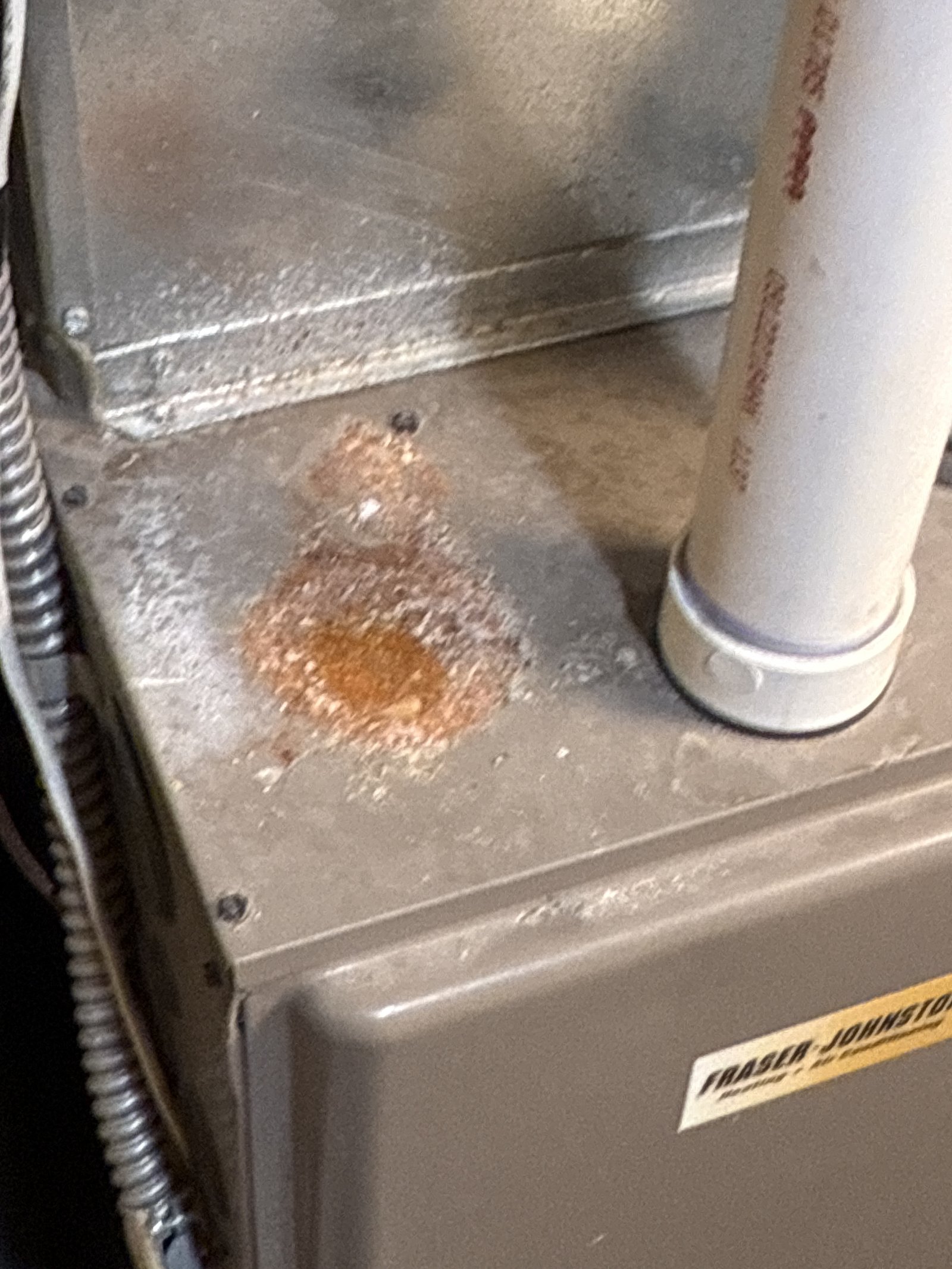
If you've spent a winter in the Northland, you know what's at stake when the heat goes out. Here in Duluth we get long stretches of below-zero nights and wind off the lake that finds every gap in a house. A furnace that quits in October is an inconvenience. One that quits at 2 a.m. in January can mean frozen pipes and a cold, unsafe house.
The good news is that heating systems usually give some warning first. As a home inspector, I see the same signs over and over. Here are five worth watching, and what you can safely check yourself.
1. Strange Noises: Banging, Squealing, or Rattling
A click at startup, the whoosh of the burners, and the hum of the blower are normal. New or louder noises aren't. A bang when the burners light can mean the gas isn't igniting promptly. Squealing often points to a worn blower motor or belt. Rattling might be a loose panel or duct, or a loose part inside.
What you can check: note when the noise happens (startup, running, or shutdown) so you can describe it to a technician. Beyond that, don't open the furnace yourself. Call a licensed HVAC technician.
2. Uneven Heating and Cold Rooms
If one bedroom is always chilly while the living room is warm, the cause could be a dirty filter, blocked registers, leaky ductwork, poor insulation, or a system that's struggling to keep up.
What you can check: inspect or replace the furnace filter, since a clogged one restricts airflow. During the heating season, it's recommended to change your filters monthly as part of a regular, ongoing homeowner maintenance routine. Make sure registers and return grilles aren't closed or covered by furniture or rugs. If a room stays cold, mention it to an HVAC technician.
3. Rising Energy Bills
Bills naturally rise when it's colder, and rates change. But if your usage climbs noticeably compared with the same month last year and your habits haven't changed, your furnace may be working harder than it should. Dirty filters, worn parts, and skipped maintenance can all cost efficiency.
What you can check: compare usage, not just dollars; most utility bills show it. Check the filter and thermostat settings. If usage is up without an obvious reason, schedule a professional tune-up.
4. A Yellow or Flickering Flame Instead of Steady Blue
On many gas furnaces you can see the burner or pilot flame through a small viewing window. A healthy flame is usually steady blue. A flame that's mostly yellow, orange, or flickering can mean incomplete combustion from dirty burners, poor air supply, or venting problems, and incomplete combustion can produce carbon monoxide (CO).
CO is colorless and odorless, so you can't rely on your senses. Keep working CO detectors on every level of your home, including near sleeping areas, and test them regularly. If a detector alarms, don't look for the source. Get everyone out right away, then call 911 or your gas utility from outside. If you see a yellow or unsteady flame, don't adjust anything; have a licensed HVAC technician inspect the system promptly.
5. Frequent Short Cycling
Short cycling is when the furnace runs briefly, shuts off, and starts again soon after, over and over. It's hard on the equipment and the house never quite feels comfortable. Common causes include a clogged filter, a thermostat problem, an overheating furnace shutting itself off for safety, or a system sized wrong for the house.
What you can check: start with the filter. Then look at your thermostat's location; near a register, sunny window, or drafty door, it can get false readings. If short cycling continues, have it looked at.
When to Call a Professional
None of these signs means your furnace is about to quit, but each is worth taking seriously before the coldest weather arrives. Handle the easy things like filters, registers, and CO detectors yourself, and leave anything inside the furnace to a licensed HVAC technician. Regular service catches small problems before they become no-heat emergencies.
If you're buying or selling a home, OnPoint Inspection LLC looks at the heating system as part of a home inspection. We serve Duluth, Cloquet, Esko, Carlton, Moose Lake, Barnum, Sandstone, Two Harbors, Silver Bay, Grand Marais, Hibbing, Virginia, and the surrounding area. In Wisconsin we service Superior, Solon Springs, Poplar, and the surrounding area. You can reach me at (218) 219-8280 or learn more at onpointinspector.com. Stay warm out there.
Mike Solomon, OnPoint Inspection LLC